



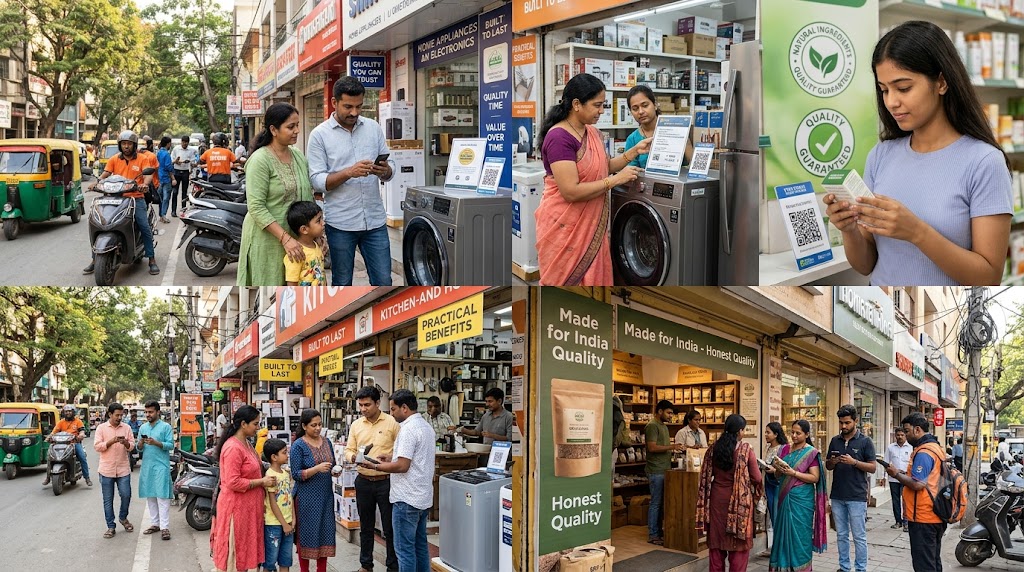
India’s consumer market is changing as buyers become more thoughtful about how they spend their money. Price remains an important consideration, but it is no longer the only factor influencing purchasing decisions. Consumers increasingly want products that offer dependable quality, practical benefits, convenience and value over time.
This shift is changing how businesses develop products, set prices and connect with customers. Rather than relying entirely on discounts and promotional offers, brands must demonstrate why their products are worth buying.
With household budgets facing competing demands, consumers are becoming more selective. They may delay certain purchases or compare several options before making a decision, but they are still willing to spend on products that meet their needs and justify their cost.
Beyond Discounts: Quality Matters More
Value-based purchasing does not simply mean choosing the cheapest available product. It involves weighing price against quality, durability, performance and the overall ownership experience.
For everyday essentials, affordability remains crucial. However, buyers may be willing to pay more for products that last longer, save time or provide better results. Health, personal care, home appliances, food and lifestyle products are among the areas where perceived benefits can influence spending.
This creates an opportunity for businesses to communicate value more clearly. Transparent pricing, reliable product information, consistent quality and responsive customer service can help brands build trust without depending on frequent discounts.
Digital Research Is Influencing Buying Decisions
Online platforms have made it easier for consumers to compare prices, read reviews, check product specifications and explore alternatives before purchasing. Social media, e-commerce websites and emerging artificial intelligence tools are also influencing how buyers discover and evaluate products.
As a result, businesses are competing not only on price but also on the quality of information available to customers. Clear product descriptions, genuine reviews, accessible customer support and straightforward return policies can make a meaningful difference in purchasing decisions.
For smaller businesses, digital channels offer an opportunity to reach customers beyond their immediate markets. However, visibility alone is not enough. Brands must provide a consistent experience and deliver on the promises made online.
Premium Products Must Offer Clear Benefits
Another important development is the growing interest in premium products. Consumers are increasingly considering higher-priced options when they offer meaningful advantages, such as improved performance, better ingredients, distinctive design or greater convenience.
However, premiumisation does not mean that buyers are willing to pay more without question. Customers expect a clear reason for the price difference. Products that fail to demonstrate additional value may struggle to retain demand, particularly when more affordable alternatives are available.
For businesses, the opportunity lies in offering choices across different price points while maintaining a clear distinction in quality, features and benefits. This approach can help brands serve budget-conscious customers as well as those seeking more specialised products.
Homegrown Brands Can Build Stronger Connections
The changing consumer mindset is also creating room for domestic and digital-first brands. Businesses that understand local preferences, offer relevant products and maintain competitive pricing can build loyal customer bases.
Smaller brands may have an advantage when responding quickly to changing tastes or serving specific customer needs. Yet sustainable growth depends on more than attractive packaging or online popularity. Product consistency, distribution, after-sales service and financial discipline remain essential.
As competition increases, brands that combine local understanding with dependable quality can strengthen their position in the market.
What Value-Based Purchasing Means for Businesses
For businesses, the shift towards value-based purchasing calls for a more customer-focused approach. Companies need to understand what buyers consider worth paying for and adapt their offerings accordingly.
This means balancing affordability with quality, improving product transparency, managing operating costs and investing in customer experience. Businesses should also pay attention to repeat purchases and customer feedback rather than measuring success only through short-term sales or promotional campaigns.
Small and medium-sized enterprises can benefit by focusing on a clearly defined customer group, controlling unnecessary costs and communicating the practical advantages of their products. A strong value proposition can help them compete with larger brands without entering a race to offer the lowest price.
The Road Ahead for India’s Consumer Market
India’s consumer market is moving towards a more considered form of spending, where affordability and quality increasingly go hand in hand. Consumers want their money to deliver meaningful benefits, while businesses must find ways to meet these expectations without compromising profitability.
For companies, long-term growth will depend on understanding changing customer priorities and building trust through consistent performance. Brands that offer the right combination of price, quality, convenience and reliability will be better positioned to earn repeat business.
Ultimately, value-based purchasing is not simply a change in consumer behaviour. It is reshaping competition across India’s consumer economy, encouraging businesses to focus less on selling at the lowest price and more on delivering products and experiences that customers genuinely value.
