
According to a January 2026 report on challenges of owning electric vehicles, New Jersey is the least convenient state for driving an EV. The study by Law Bear, an attorney-matching platform, examined all 50 states based on charging infrastructure, costs, and climate conditions affecting EV batteries.
- New Jersey is the least convenient state for EV owners, with 74 registered electric vehicles competing for each charging station.
- Hawaii and Alaska charge the most for electricity at nearly 50 cents per kWh, making each trip in an EV significantly more expensive than mainland alternatives.
- Drivers in Washington are required to pay an extra $150 each year just for owning an electric vehicle, on top of standard registration costs.
The research analyzed six factors that affect how practical it is to own an electric vehicle. This included how many EVs share each charging station, how many vehicles compete for individual charging ports, and electricity costs per kilowatt-hour. The study also looked at state tax credits for EV purchases, annual registration fees specific to electric vehicles, and average temperatures that impact battery performance. States received an EV Inconvenience Score from 0 to 100, where higher numbers mean more challenges for electric car drivers.
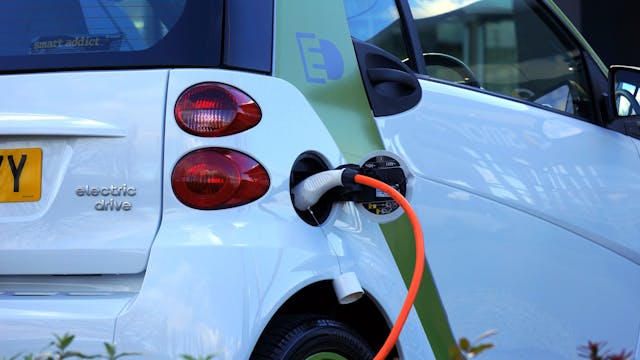
Pic Credit: Pexel
Here’s a look at the top 10 least convenient states for EV ownership: State Registered EVs per Charging Station Registered EVs per Charging Port EV Purchase Tax Credit EV Annual Registration Fee EV Inconvenience Score New Jersey 74 22 Up to $4,000 $260 96 Hawaii 61 23 $0 $50 92 California 62 17 $0 $118 87 Washington 51 18 $0 $150 85 Nevada 69 16 $0 $0 82 Alaska 34 13 $0 $0 81 Texas 55 17 $0 $200 80 Arizona 56 18 $0 $0 78 New York 25 7 Up to $2,000 $0 73 Illinois 54 17 $4,000 $100 72 You can access the complete research findings here.
1. New Jersey
- Registered EVs per charging station: 74
- Registered EVs per charging port: 22
- EV purchase tax credit: Up to $4,000
- EV annual registration fee: $260
- EV Inconvenience Score: 96
New Jersey is America’s least convenient state for owning an electric vehicle. With nearly 135K EVs on the road but only 1,829 charging stations, drivers here have a hard time charging their cars on time. These numbers mean that for every charging port, there are 22 EVs, which suggests long wait times during peak hours. The state does offer up to $4,000 in tax credits for new purchases, but then still charges a high $260 annual registration fee.
2. Hawaii
Hawaii comes second as one of the toughest places to own an EV. The state has about 25.6K electric vehicles but only 420 charging stations across all islands, resulting in 61 cars competing for each location. Hawaii also charges 48 cents per kilowatt-hour for electricity, nearly 10 cents more than the national average, so driving an electric vehicle here costs as much as fueling a gas car in many mainland states. Unlike New Jersey, the state provides no purchase incentives for EV buyers either.
3. California
California takes third place despite having the largest EV fleet in America. More than 1.2 million electric vehicles are registered here, but even with 20,166 charging stations, that still means every location has to serve more than 60 cars. Similar to Hawaii, California offers no state tax credits for purchases and charges $118 in annual registration fees. Neighboring Nevada, by contrast, provides residents up to $7,500 in purchase credits, making owning EVs more affordable across the border.
4. Washington
Washington ranks fourth among the least convenient states for driving an EV. The state registers about 152K electric vehicles and operates up to 3,000 charging points. This comes down to more than 50 EVs sharing each station, meaning residents might have to wait in long lines to power their cars. Another drawback of Washington is no tax credits when buying a new electric vehicle. Plus, drivers here face cooler temperatures of 48°F that can reduce battery efficiency and cut driving range.
5. Nevada
Nevada rounds out the worst five states to own an EV. With 47.3K registered electric vehicles and only 683 plug-in spots, local drivers may often face congestion when charging their cars. The stations here do have more ports than coastal states, though, averaging 16 cars for every unoccupied charger. Unlike neighboring California, Nevada doesn’t ask for annual fees from EV drivers. But the state still offers zero purchase incentives to offset purchase costs.
A spokesperson from Law Bear commented on the study:
“We often hear that EVs help you save money, but the reality is more complicated. The average electric vehicle costs over $40K, and in some states, electricity rates are so high that charging expenses can add up fast. EVs depreciate faster than gas cars, too, meaning you lose more money when it’s time to sell. Electric vehicles are the future, sure, and they promise better safety. But whether getting one now makes financial sense is still up for debate.”
Leave a Reply