



Bhubaneswar, Oct 29: Odisha is witnessing a sharp rise in stroke cases, with the number reported annually more than doubling in two years, according to state government data. The increase has raised concerns among medical professionals over the growing burden of stroke and the need for early diagnosis, timely treatment and stronger public awareness.
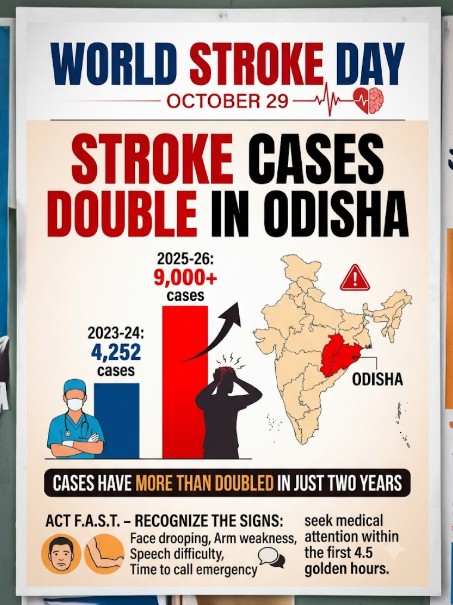
The issue has gained significance on World Stroke Day, observed on October 29, as doctors stress the importance of recognising warning signs and seeking emergency medical care without delay.
Odisha recorded 4,252 stroke cases in 2023–24, while the number crossed 9,000 in 2025–26, official figures indicate. Doctors attribute the growing burden to a combination of health conditions and lifestyle-related factors, including hypertension, diabetes, obesity, smoking, unhealthy diets and physical inactivity. Genetic predisposition may also contribute to an individual’s risk.
Every Minute Matters in Stroke Treatment
Neurologists warn that the first four-and-a-half hours after the onset of stroke symptoms can be crucial for eligible patients. Timely medical assessment and appropriate treatment during this period can improve recovery prospects and reduce the risk of lasting disability.
Professor Dr Lulup Kumar Sahu emphasised the importance of acting quickly when stroke symptoms appear, urging people not to ignore warning signs or delay reaching a hospital.
Common symptoms include sudden facial drooping, weakness in an arm, difficulty speaking and paralysis or weakness affecting one side of the body. Sudden vision problems, loss of balance and severe unexplained headaches may also signal a medical emergency.
Doctors advise immediate hospital evaluation if any of these symptoms develop. The four-and-a-half-hour period is not a reason to wait, as treatment options depend on the patient’s condition, the type of stroke and how quickly medical care is received.
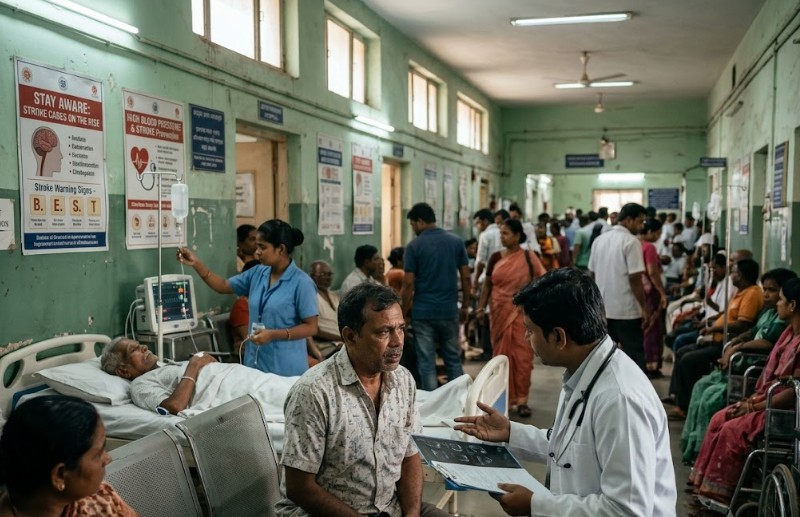
Representational Image
SCB Medical College, AIIMS Bhubaneswar Report Rising Cases
The increasing number of patients is also being reflected at major healthcare institutions in the state.
The Neurology Department at SCB Medical College and Hospital in Cuttack treats around 400 stroke patients annually, with doctors reporting an upward trend. AIIMS Bhubaneswar has observed a similar pattern, according to the report.
Medical experts say the trend highlights the need to strengthen stroke awareness, improve access to specialised neurological care and encourage people to manage underlying health conditions before complications arise.
Understanding the Two Types of Stroke
Stroke generally occurs in two main forms, both of which can cause serious damage to the brain.
Ischaemic stroke: Occurs when a blood clot blocks a blood vessel supplying blood to the brain, depriving brain tissue of oxygen.
Haemorrhagic stroke: Occurs when a blood vessel in the brain ruptures, leading to bleeding that damages surrounding tissue.
Distinguishing between the two is essential because their treatments differ. Medical professionals must assess the patient and determine the appropriate course of action before treatment begins.
Senior Neurology Consultant Dr Laxmidhar Padhi has highlighted the importance of receiving medical attention within the critical early window, when eligible patients may benefit from time-sensitive interventions.
Rural Communities Face Significant Stroke Risk
The burden of stroke is also a concern in rural Odisha, where access to specialised healthcare can be challenging.
A study published in The Lancet Regional Health – Southeast Asia under the Indian Council of Medical Research’s National Stroke Registry Programme highlighted the risk faced by rural communities. According to the findings cited in the report, one in every seven people in rural Cuttack faces a lifetime risk of stroke.
The research examined stroke incidence and mortality across five regions of India during 2018–19. SCB Neurology Professor Dr Ashok Kumar Mallik was among the study’s co-authors.
The findings underline the importance of early symptom recognition, accessible emergency services and better management of risk factors, particularly in areas where reaching a specialised hospital may take considerable time.
Prevention and Awareness Remain Key
Doctors recommend regular monitoring of blood pressure and blood sugar, maintaining a healthy weight, following a balanced diet, avoiding tobacco and engaging in regular physical activity to reduce stroke risk.
For people with hypertension, diabetes or other underlying conditions, regular medical consultations and adherence to prescribed treatment are particularly important.
As Odisha’s reported stroke numbers continue to rise, health experts are calling for greater public awareness and improved access to timely care. Their central message on World Stroke Day is clear: recognising symptoms early and reaching a hospital immediately can make a critical difference to survival and long-term recovery.
