



From redefining what dementia takes from a person to encouraging families to act early, the campaign showcases a film that calls for difficult conversations before identity begins to slip away.
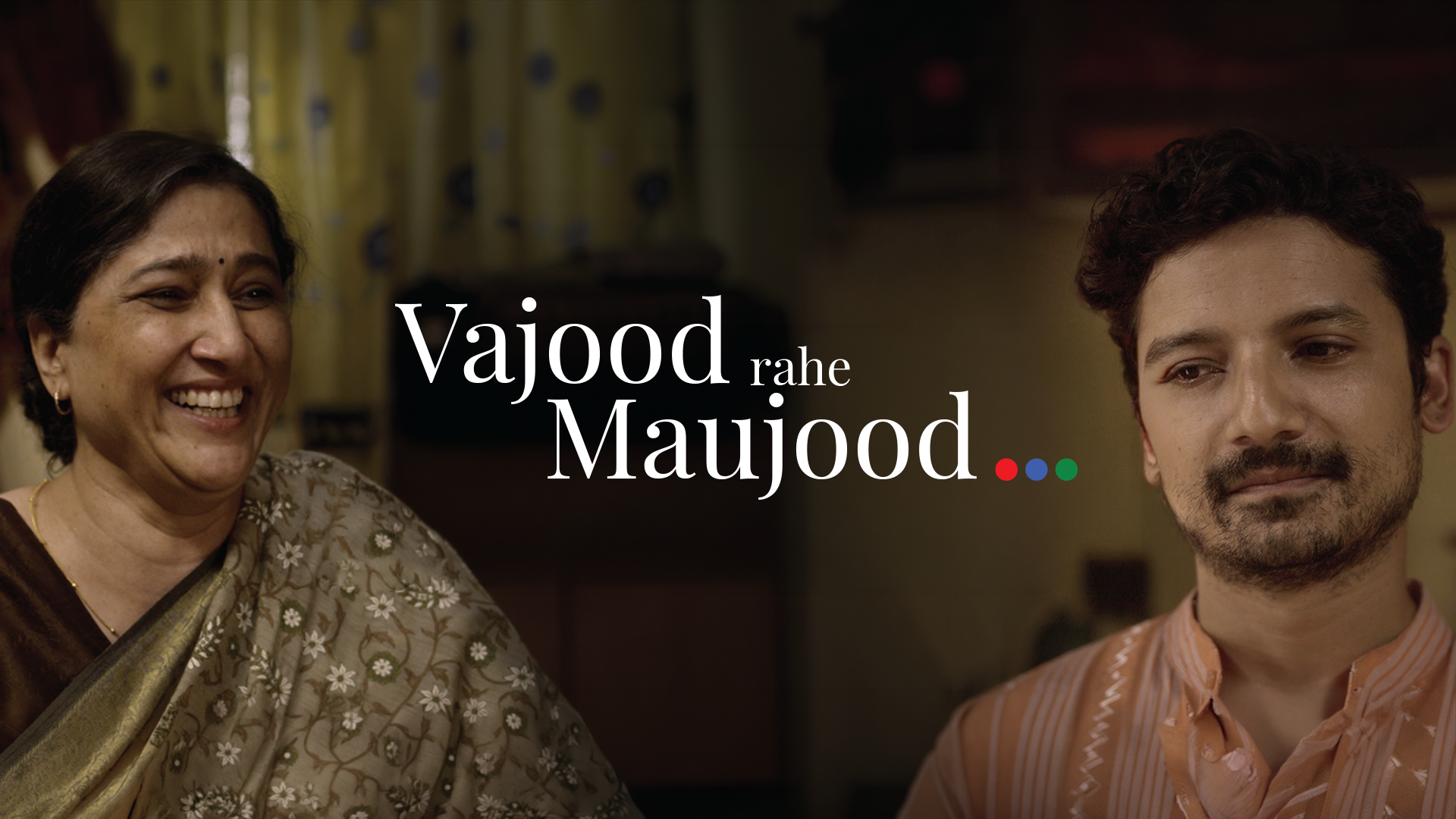
Mumbai, Sept 02: This World Alzheimer’s Month, the Tata Trusts have launched ‘Vajood Rahe Maujood’, a new campaign on awareness of dementia that seeks to shift the conversation around the condition from memory loss to the gradual loss of identity. Based on insights from people living with early-stage dementia, caregivers and medical experts, the campaign highlights how dementia can progressively affect the roles, relationships and everyday abilities that shape a person’s sense of self. Through an evocative film, the campaign aims to help families recognise early changes, start conversations sooner, and take steps to preserve the identity of their loved ones for as long as possible.
Early signs of dementia in India are often dismissed as old age. People shrug them off with “Budhapa aa gaya!” or simply reduce them to forgetfulness — “Bhulne ki bimari.” The Tata Trusts, through their new campaign, challenge this very idea with a thought-provoking new insight: the gradual erosion of identity of the patient as the disease progresses, an often-invisible consequence of the condition.
India’s population is ageing rapidly. By 2050, India is projected to be home to more than 347 million people aged 60 and above. This demographic shift makes dementia an increasingly important public health concern, particularly in a context where its early signs have historically been misattributed or overlooked.
“Of the various barriers that Dementia faces in India, the biggest is a lack of awareness – the misestimation, the misattribution, the dismissal. Addressing patients exhibiting mild symptoms was therefore a conscious choice of audience for nudging behavior change. And when ‘loss of identity’ and its various dimensions across the stages of the disease, were uncovered as an insight, we knew we had something powerful to work with, that would lead to captivating communication that was persuasive and not preachy,” said Shilpi Ghosh, Head, Brand & Marketing Communications, Tata Trusts.
Kalyan Challapalli, Founder & Chief of Strategy, Wolfzhowl, the agency that developed the strategic communications for the campaign, said the research highlighted that dementia cannot be addressed as a health issue alone, given its impact on caregivers, families, the healthcare ecosystem and the economy. He also highlighted the absence of regional-language vocabulary around the disease and its early changes, making it easier for people to dismiss.
Turning these insights into an accessible and engaging film was one of the central creative challenges. Keigan Pinto, Creative Chief, Writer and Director, explained that the film was designed to make the invisible experience of identity loss tangible without reducing dementia to a list of symptoms. The story uses a poem written by a son for his mother on her birthday as a creative device to carry the message of care and facilitate a difficult conversation.
The film features Geeta Agarwal Sharma as a mother demonstrating early signs of dementia and Priyanshu Painyuli as her son and primary caregiver.
The choice of a woman as the protagonist reflects the disproportionate impact of dementia on women, while the caregiving dynamic is deliberately inverted to place the son in the role of primary caregiver. The campaign aims to encourage more men to participate actively in caregiving and initiate difficult but necessary conversations around dementia within families.
With an estimated 45% of dementia cases potentially preventable or delayable, there is a significant window to act earlier. Changes associated with dementia can also begin 10–20 years before symptoms become apparent, making early awareness, screening and diagnosis critical. Through ‘Vajood Rahe Maujood’, the Tata Trusts hope viewers will notice the little shifts, start important conversations and work towards preserving the identity of their loved ones for longer.
